Cooked at eleven.
Yours at one.
Three hundred plates a day at the Nalanda counter. Ghee, no onion, no garlic, nothing reheated and nothing kept overnight. ₹80, booked before ten in the morning, collected in ninety seconds.
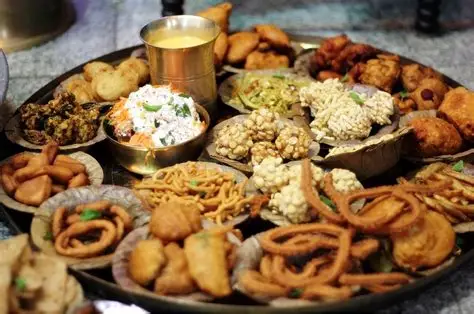
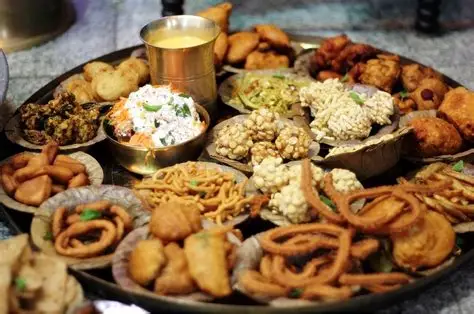
Three ways to eat between classes.
One hour, measured from leaving your seat to the first bite. The break ends when the counter closes at two.
Food you can ask questions about.
Pure veg on a delivery app only means no meat. It says nothing about onion, garlic, the oil, or who was in the kitchen. Here every answer is the same every day, and it is written down.
Which one o’clock is yours?
One tap in the morning. Ninety seconds at one.
Every plate is offered to Krishna before anyone eats.
That is also the reason the food is the way it is. It is cooked once in the morning, in ghee, without onion or garlic, by people for whom the cooking is the offering. Nothing is kept for the next day. You do not have to believe any of it to eat well — but it is why the standard does not move.
Two taps, before ten.
Sign in with your institute account. Your name and roll number come from the roster, so there is nothing to fill in.